

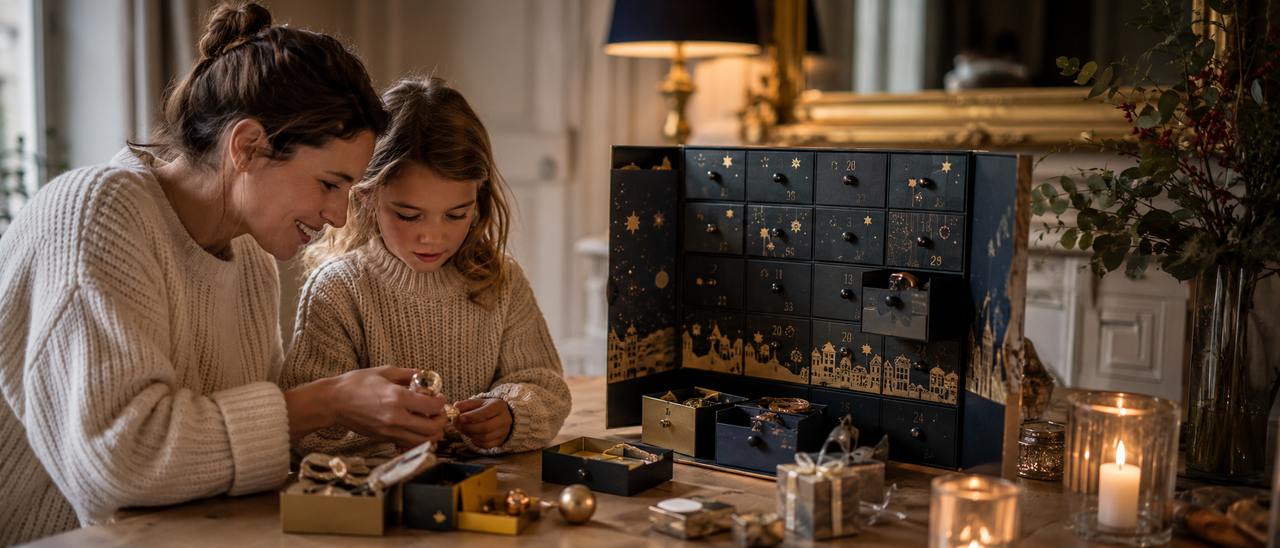
For a long time, the Advent calendar was a simple object: a small window to open each day, often with a chocolate inside, to wait until Christmas.
Today, it has become much more than that.
There are Advent calendars for beauty, tea, beer, jewellery, toys, perfumes, socks, artisan products, food, luxury, well-being, spirituality, sport, gaming. Some brands even turn them into a major commercial event, with waiting lists, limited editions and content revealed on social networks.
Why does such a simple object work so well?
Because it relies on a very powerful human mechanism: anticipation.
An Advent calendar does not only sell a product. It sells an experience broken up over time. It turns a single gift into a succession of small discoveries. Instead of one moment, it creates a ritual. Instead of one surprise, it creates several. And that is precisely what makes it so effective.
The success of the Advent calendar rests on a very simple idea
The Advent calendar works because it creates a gentle tension: we know there is something to discover, but we do not yet know what.
Each opened window provides a small immediate reward. Not necessarily huge. Not necessarily expensive. But enough to create a moment.
This is where the mechanism becomes interesting: the value of the calendar does not come only from what it contains. It also comes from the way it is revealed.
A chocolate eaten on its own does not have much emotional value. But a chocolate discovered behind a small window, within a ritualised period, with the idea that a new surprise will arrive tomorrow, becomes more than a chocolate.
This is exactly what brands have understood.
They no longer sell only products. They sell anticipation, a collection, a story, a daily appointment.
Why this trend is booming today
If Advent calendars are multiplying, it is no accident.
First, they respond to a desire for more experiential gifts. Many people no longer want only to offer an object. They want to offer a moment, an attention, proof that they thought of the person.
Then, they are highly compatible with social networks. Opening a window, discovering a product, filming a reaction, comparing calendars, showing the contents: all of this works very well in short-form video. The Advent calendar is almost designed for unboxing.
Finally, it gives an impression of value. Even when its price is high, it gives the feeling of offering a great deal: several products, several days, several surprises.
It is a gift that seems more generous than a single object.
But this explosion also has a limit: many Advent calendars end up becoming boxes filled with small impersonal products. We accumulate miniatures, samples, sometimes pleasant objects, but rarely unforgettable ones.
They create surprise, yes.
But not necessarily a memory.
What if the best Advent calendar were not filled with objects?
This is where another idea becomes interesting: what if the real gift were not a succession of products, but a succession of memories?
A childhood memory. A forgotten photo. A holiday video. A voice message. An anecdote told by a parent. A thought kept for later. A life moment that seemed ordinary, but gains value with time.
This is exactly what KeepOne makes possible.
KeepOne does not seek to replace traditional Advent calendars. But it takes up their strongest mechanism: progressive revelation.
The difference is that what is revealed is not a product. It is a piece of life.
And that difference changes everything.
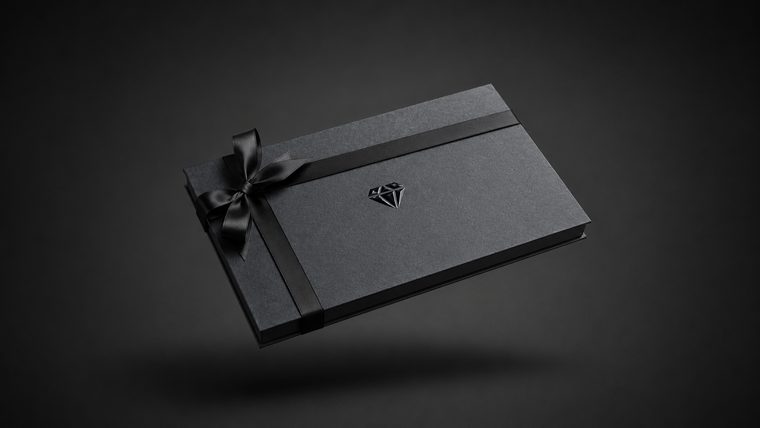
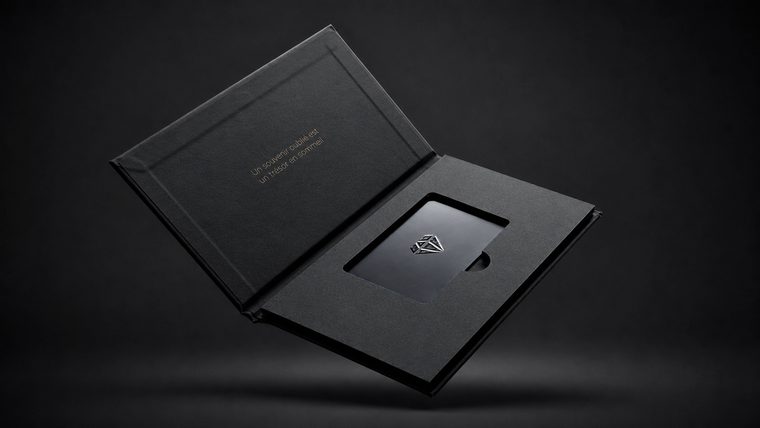

KeepOne, the emotional Advent calendar for loved ones
With KeepOne, it becomes possible to prepare a series of memories for someone: a child, a partner, parents, a close friend, a brother, a sister.
Instead of offering a finished object, you can prepare an experience to be discovered over time.
For example:
- 24 memories to wait until Christmas;
- 7 memories for the week before a birthday;
- 12 memories for the 12 months leading up to a child’s 18th birthday;
- 10 memories to celebrate a love story;
- a series of family messages to discover on a specific date;
- an intimate calendar around a trip, a birth, a period of life.
The idea is simple: each memory becomes an emotional “window.”
A photo alone can be beautiful. But a photo accompanied by a text, a context, a message or a voice becomes much stronger.
Because it does not only say: “here is this moment.”
It says: “here is why this moment mattered.”
Very little effort, a great deal of impact
This is probably the main strength of this kind of use.
Creating a complete photo album takes time. You have to sort, print, lay out, order, check, organise.
Creating a memory video requires even more effort: editing, music, export, formats, files, sharing.
Creating a personalised physical gift can be expensive, take time to produce, and not always hit the right note.
With KeepOne, the effort can be much lighter.
You only need to choose a few important memories, add a sentence, a voice note or a short explanation, then schedule them for later.
It is a very “Pareto” logic: few actions, but a lot of result.
Most of the value does not come from the time spent making a beautiful object. It comes from the choice of memory and the context added around it.
A sincere sentence can be worth more than an expensive gift. A well-chosen photo can touch someone more than an impersonal object. A thirty-second voice message can become a memory kept for a lifetime.
Low cost, but very strong perceived value
This is also what makes the idea commercially powerful.
A classic Advent calendar can be expensive, especially in beauty, luxury or specialised products. Yet part of its content can be quickly forgotten.
With KeepOne, the material cost is low, but the emotional value can be very high.
You are not paying to accumulate objects. You are creating something personal. You are offering time, attention, memory.
And for a loved one, that can have much more value than a standard gift.
The real scarcity today is not the object. It is attention.
Anyone can buy something online in a few minutes. Far fewer people take the time to select a memory, explain it, preserve it and reveal it at the right moment.
I love this kind of gift: it costs very little, just a bit of your time. But in the end, that's what matters to the person receiving it: the time you spent making it and the heart you put into it.
Léa, 37The Advent calendar of the future may be intimate
The popularity of Advent calendars shows one thing: we love progressive surprises.
We like waiting. We like discovering. We like opening a small door and receiving something that was intended for us.
But by multiplying objects, products and limited editions, the concept can lose part of its magic.
KeepOne offers another path: keeping the mechanism of surprise, but giving it meaning again.
Instead of opening a window to discover a product, we open a memory.
Instead of consuming a surprise, we rediscover a moment.
Instead of offering something that adds to everything else, we offer something that tells a story.
Perhaps that is, in the end, the ideal Advent calendar for loved ones: not the one that contains the most things, but the one that contains what truly matters.